
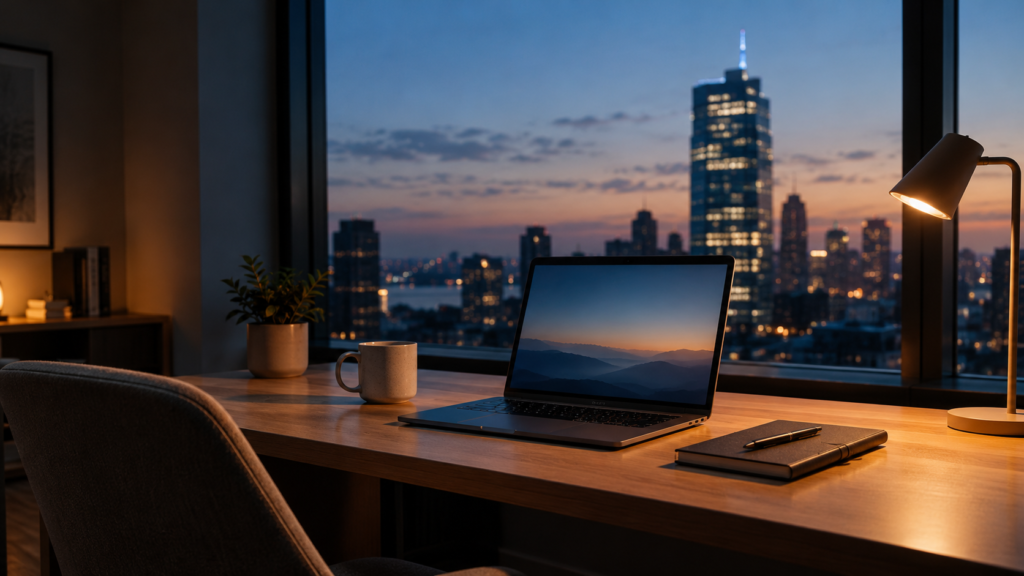
Remote work pros and cons have been debated since 2020, but the conversation has changed. The question is no longer whether people can work from home. It is what working from home quietly does to their lives, their careers and their relationships over time.
For millions of Americans, remote work became the best perk they ever had. For others, it slowly turned into something harder to name: a job that never really ends. This article looks at both sides, using the latest research instead of opinions.
Remote Work in 2026: Where Things Stand
Remote work did not disappear after the pandemic. It settled into a new normal.
According to Gallup, among U.S. employees whose jobs can be done remotely, about 28% work fully remote, around half work hybrid, and only about one in five is fully on-site (May 2025 data).
Across the whole U.S. workforce, the Bureau of Labor Statistics found that about 21.6% of employed people teleworked in April 2025, which is roughly 34 million workers. The rate rises sharply with education: almost 4 in 10 workers with a bachelor’s degree telework.
And people who work remotely want to keep it. In Buffer’s State of Remote Work survey, 98% of remote workers said they want to work remotely, at least some of the time, for the rest of their careers.
The Pros of Remote Work
Flexibility over time
Flexibility is the most valued benefit by far. In Buffer’s survey, it was the top answer when remote workers were asked about the biggest benefit. A doctor’s appointment, a school pickup or a quiet morning walk no longer requires a negotiation.
No commute
No traffic, no crowded train, no time lost every morning and evening. Over a year, the time saved can add up to weeks.
Better focus for deep work
For tasks that need concentration, such as writing, analysis or coding, many people say they get more done at home without office interruptions.
People stay longer
One of the strongest studies on the topic, led by Stanford economist Nicholas Bloom and published in Nature in 2024, followed more than 1,600 employees at Trip.com. Workers who were allowed to work from home two days a week quit about one-third less often, with no negative effect on performance or promotions.
Freedom of location
Remote work allows people to live closer to family, move to a cheaper area, or even travel while working.
The Cons of Remote Work Nobody Talks About
Loneliness
In Buffer’s survey, loneliness was one of the most common struggles: about 23% of remote workers named it among their challenges. Slack messages and video calls do not fully replace a coffee with a colleague.
Trouble unplugging
About 22% said they find it hard to stop working. When the office is the kitchen table, the end of the workday becomes blurry.
Staying motivated
Around 20% reported struggling to stay motivated. Without the energy of a team around, some days feel long and empty.
Career visibility
Many remote workers worry that they are “out of sight, out of mind.” The Stanford study found no effect on promotions in a hybrid setup, but fully remote workers often feel they have to work harder to be noticed.
Home distractions
Family, pets, deliveries and household tasks are always there. For parents, the line between “I’m at work” and “I’m at home” can disappear completely.
The Hidden Trap
The biggest risk of remote work is not laziness. It is the opposite.
When there is no commute home, there is no natural end to the day. A quick email after dinner becomes an hour of work. A message on Sunday gets an answer “just to be done with it.” The laptop stays open on the dining table, and the home slowly becomes an office that never closes.
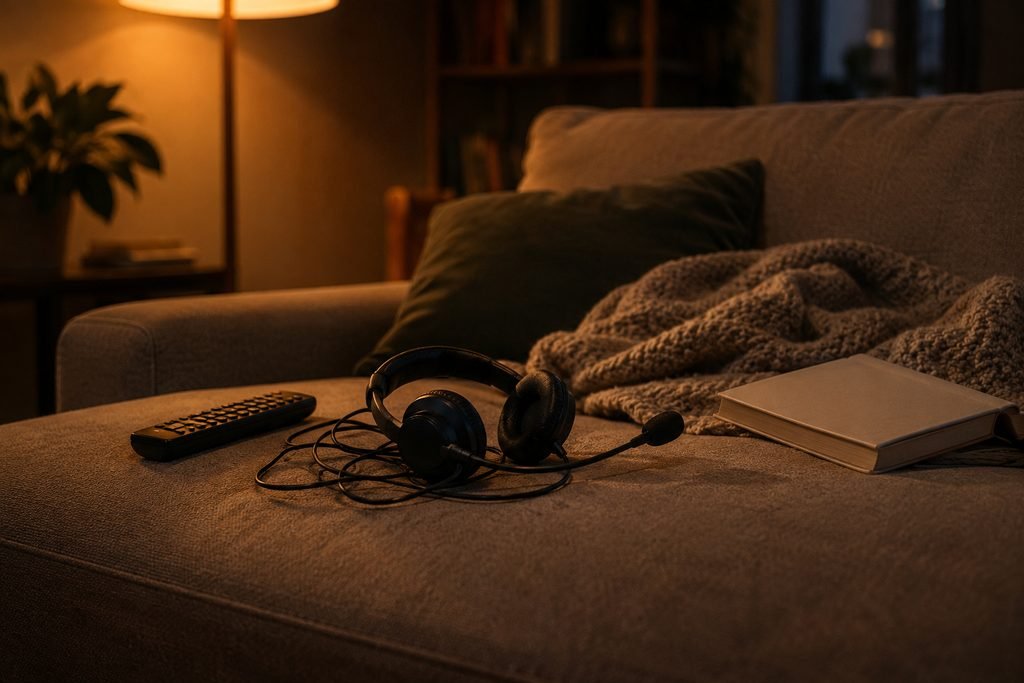
This is the hidden trap: remote work gives people freedom over their time, and then quietly asks for all of it.
The people who do best with remote work are not the ones with the best equipment. They are the ones with the clearest boundaries. That is the part most lists of remote work pros and cons leave out.
This connects to a bigger pattern in how technology changes everyday life: tools designed to make life easier often remove the natural pauses that once protected us. The same thing happens with AI and our habit of thinking less.
Remote Work vs Office: An Honest Comparison
| Remote | Office | |
|---|---|---|
| Flexibility | High | Low |
| Commute | None | Daily |
| Deep focus | Usually better | Often interrupted |
| Social connection | Weaker | Stronger |
| Learning from colleagues | Harder | Easier |
| Work-life boundaries | Harder to keep | Built in |
| Career visibility | Needs effort | Natural |
For many people, the answer is somewhere in between. Hybrid work, two or three days at home, keeps most of the benefits and reduces many of the downsides. Looking at remote work pros and cons side by side makes this clear.
How to Make Remote Work a Success
- Set a hard stop. Pick a time when the laptop closes, and treat it like leaving the office.
- Create a “commute.” A short walk before and after work helps the brain switch modes.
- Separate the space. Even a corner of a room used only for work makes a difference.
- Turn off notifications after hours. Work apps do not need to live on your phone at night.
- Schedule real contact. Regular calls with colleagues, coworking days or lunch with a friend reduce isolation.
- Make your work visible. Share progress updates so your results are seen.
- Protect family time. No laptop at dinner. Children notice where our attention goes, just as they notice their own screen habits.
Is Remote Work Right for You?
Remote work pros and cons look different for every person. Remote work tends to suit people who:
- can structure their own day,
- are comfortable working alone for long periods,
- have a space at home where they can focus,
- can set and keep boundaries.
It is harder for people who get energy from others, are early in their career and learning from colleagues, or live in small spaces with many distractions.
The Verdict on Remote Work Pros and Cons
Remote work is neither a dream nor a trap by itself. It is a tool. Used with clear boundaries, it gives people time, focus and freedom that office life rarely offers. Used without them, it can quietly take over evenings, weekends and relationships.
The real question is not “remote or office?” It is: who is in control of your time, you or your laptop?
Do you work remotely? What is the biggest pro and the biggest con for you? Share your experience in the comments.